
Mit der zunehmenden Beliebtheit von LED-Beleuchtung machen sich immer mehr Menschen Gedanken über deren Gesundheits- und Sicherheitsaspekte. Eine häufige Frage lautet: “Erzeugen LED-Leuchten ultraviolette Strahlen (UV)?”
Wir wissen, dass ultraviolette Strahlung (UV) als potenziell schädlich für Haut, Augen und Oberflächen von Gegenständen gilt. Daher ist es besonders wichtig, die Beziehung zwischen LED-Lampen und UV-Strahlung zu verstehen. Im Folgenden werden wir untersuchen, ob LED-Lampen tatsächlich UV-Strahlung abgeben. Welche Arten von LEDs UV-Komponenten enthalten können und wie Sie LED-Beleuchtungsprodukte sicher auswählen können.
Erzeugen haushaltsübliche LED-Lampen ultraviolette (UV) Strahlen?
Viele Menschen machen sich beim Kauf von LED-Leuchten vor allem Gedanken über das Thema UV-Strahlung. Lassen Sie uns direkt zur Kernfrage kommen: Erzeugen haushaltsübliche LED-Lampen UV-Strahlung?

Wir haben jedoch herausgefunden, dass die von ihnen ausgehende ultraviolette Strahlung vernachlässigbar ist und für die menschliche Haut und die Augen unbedenklich ist.
Dies ist keine einfache Behauptung, sondern beruht auf dem Prinzip ihrer Lichtausstrahlung. Weiße LEDs erzeugen kein Vollspektrumlicht durch Hochtemperaturverbrennung oder Gasionisation wie die Sonne.
Ihr zentrales Funktionsprinzip ist: Ein blauer LED-Chip sendet energiereiches blaues Licht aus, das dann eine Phosphorbeschichtung anregt. Der Leuchtstoff absorbiert einen Teil des blauen Lichts und wandelt es in grünes, gelbes und rotes Licht mit längeren Wellenlängen um. Diese Farben mischen sich und bilden das weiße Licht, das wir sehen.
Der Schlüssel dazu ist, dass dieser “Lichtumwandlungsprozess” hauptsächlich im Bereich des sichtbaren Lichts stattfindet und nicht die Erzeugung von energiereichem ultraviolettem Licht als Zwischenschritt oder Hauptnebenprodukt erfordert. Daher sind weiße Standard-LEDs, was ihren Lichtabgabemechanismus betrifft, als nahezu “reine” sichtbare Lichtquelle konzipiert.
Die Unterschiede und Auswirkungen von UVA, UVB und UVC
Um die Sicherheit von LED-Lampen vollständig zu verstehen, ist es notwendig, das Spektrum des ultravioletten Lichts kurz zu verstehen. Ultraviolettes Licht wird je nach Wellenlänge und Energie in drei Hauptkategorien eingeteilt:
UVA (320-400 nm):
Sie hat die längste Wellenlänge und die stärkste Durchschlagskraft. Sie kann Glas und die Epidermis durchdringen und die Dermis erreichen. Sie ist die Hauptursache für Hautbräunung, Hautalterung und Falten.
UVB (280-320 nm):
Sie hat eine hohe Energie und eine mittlere Eindringtiefe. Sie wirkt sich hauptsächlich auf die oberste Hautschicht aus und ist die Hauptursache für Sonnenbrand und Rötungen und erhöht das Risiko von Hautkrebs.
UVC (100-280 nm):
Diese Art von UV-Strahlung hat die höchste Energie und ist am gefährlichsten. Glücklicherweise blockiert die Ozonschicht der Erde das UVC der Sonne fast vollständig. Künstliches UVC wird speziell für die Sterilisation und Desinfektion verwendet.
Gewöhnliche LED-Lampen erzeugen daher nicht nur kein UVB und UVC. Auch ihre UVA-Emissionen sind extrem niedrig und liegen weit unter den Werten, denen wir bei unseren täglichen Aktivitäten im Freien ausgesetzt sind.
Welche speziellen LED-Lampen erzeugen ultraviolette (UV) Strahlen?
Wir wissen, dass LED-Allzwecklampen für den Hausgebrauch kein ultraviolettes Licht enthalten. Einige spezielle LED-Produkte sind jedoch so konzipiert, dass sie absichtlich große Mengen an ultraviolettem Licht erzeugen, um ihren Zweck zu erfüllen.
- UV-LED-Nagellampen: Speziell entwickelt, um hochintensives UVA-Licht zum schnellen Aushärten von Harzen oder Nagellack zu emittieren.
- UV-LED-Schwarzlicht: Diese strahlen langwelliges UVA-Licht aus, das zum Aufspüren von fluoreszierenden Substanzen und zur Erkennung von Falschgeld verwendet wird. Oder zur Schaffung einer besonderen Atmosphäre in Unterhaltungslokalen.
- LED-Pflanzenwachstumslichter: Einige Modelle enthalten geringe Mengen an UVA- oder UVB-Strahlung, um bestimmte ultraviolette Spektren des Sonnenlichts zu imitieren und das Pflanzenwachstum und die Pigmentierung zu fördern.
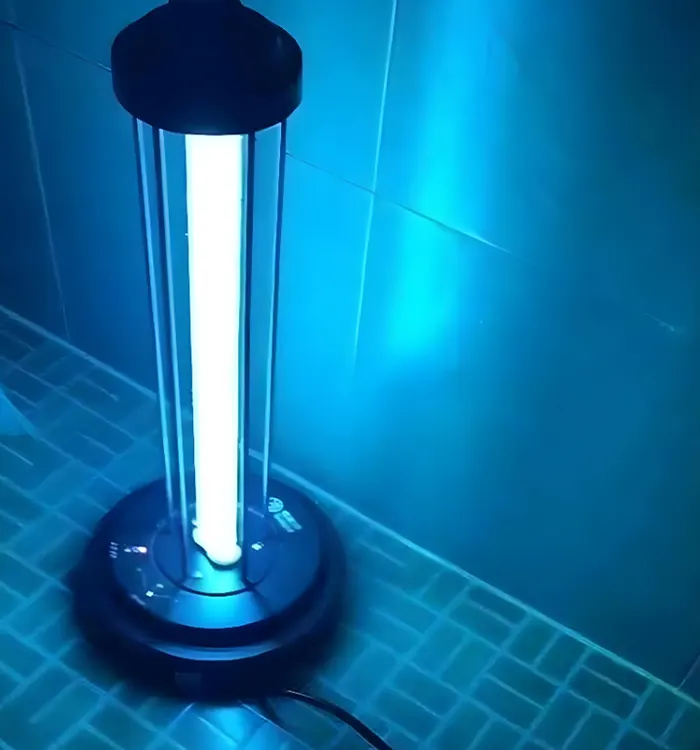
- Keimtötende UVC-LED-Lampen: Diese Lampen geben kurzwelliges UVC-Licht ab, das speziell zur Desinfektion und Sterilisation von Wasser, Luft und Oberflächen verwendet wird. Bitte beachten Sie, dass UVC-Licht für den Menschen schädlich ist und dass bei der Verwendung strenge Sicherheitsvorkehrungen getroffen werden müssen.
Diese speziellen LED-Leuchten sind mit eindeutigen Verwendungshinweisen versehen und verpflichten die Benutzer, Schutzmaßnahmen zu ergreifen. Sie sollten nicht mit gewöhnlicher Beleuchtung verwechselt werden. Es gibt also keinen Grund, sich über die UV-Strahlung von LED-Lampen Sorgen zu machen; nur die oben erwähnten speziellen LED-Lampen geben UV-Licht ab.
Was ist der Unterschied zwischen blauem LED-Licht und ultraviolettem Licht?
“Die ”Blaulichtgefahr" ist ein weiteres häufiges Thema im Bereich der Beleuchtungssicherheit, doch handelt es sich dabei um ein völlig anderes Konzept als bei ultraviolettem Licht. Es wird angenommen, dass blaues Licht potenziell photochemische Schäden an der Netzhaut verursachen kann. Da LED-Leuchten blaue Lichtchips für ihre Lichtemission verwenden, ist die blaue Lichtenergie in ihrem Spektrum tatsächlich höher als die von Glühlampen.
Die Menge an blauem Licht, die von gewöhnlicher LED-Innenbeleuchtung erzeugt wird, ist jedoch weitaus geringer als das natürliche Sonnenlicht, dem wir täglich ausgesetzt sind.
LED-Leuchten namhafter Hersteller, die den internationalen Sicherheitsnormen (z. B. IEC 62471) entsprechen, können bei normalen Beleuchtungsabständen sicher verwendet werden. Die Verbraucher müssen nicht übermäßig besorgt sein.
- Ultraviolettes (UV) Licht: Wellenlängen zwischen 100 nm und 400 nm; es handelt sich um unsichtbares Licht.
- Blaues Licht: Wellenlängen zwischen 400 nm und 500 nm; es ist der energiereichste Teil des sichtbaren Lichtspektrums.
Schlussfolgerung
Haushaltsübliche LED-Lampen erzeugen keine bedenklichen Mengen an UV-Strahlen. Sie sind eine sichere und moderne Beleuchtungsoption. Wenn Sie auf der Suche nach hochwertigen, UV-freien LED-Leuchtbänder oder Beleuchtungsprodukte, bitte kontaktieren Sie uns. Wir bieten eine Vielzahl von hocheffizienten, sicheren und zuverlässigen LED-Lösungen mit hohem CRI, die Ihren Raum heller und gesünder machen.
FAQs
Nein, haushaltsübliche LED-Lampen geben so gut wie keine ultraviolette (UV) Strahlung ab, und zum Bräunen ist eine ausreichend starke UVA-Strahlung erforderlich. Der Hauptverursacher von Bräune ist immer das Sonnenlicht. Normales Leben und Arbeiten unter LED-Lampen führt selbst bei längerer Exposition nicht zur Bräunung der Haut.
Nein, die beiden Begriffe sind unterschiedlich. Blaues Licht ist Teil des sichtbaren Lichtspektrums mit einer Wellenlänge von etwa 400-500 nm, während ultraviolettes Licht eine Wellenlänge unter 400 nm hat. Obwohl intensives blaues Licht die Augen belasten kann, unterscheiden sich seine Energie und seine Eigenschaften völlig von denen des ultravioletten Lichts und verursachen nicht die gleiche Art von Strahlungsschäden.
Hochwertige LED-Leuchten sind bei normalem Gebrauch weder für die Haut noch für die Augen schädlich. Wenn Sie sich Sorgen wegen des blauen Lichts machen, können Sie Produkte mit einer Zertifizierung für geringes blaues Licht oder einem hohen Farbwiedergabeindex (CRI ≥ 90) wählen. Und vermeiden Sie längere Aufenthalte in Umgebungen mit blauem Licht.
Ultraviolette LED-Lichter werden häufig in professionellen Bereichen wie Sterilisation und Desinfektion, Klebstoffaushärtung, Fluoreszenzerkennung verwendet. Und zur Erkennung von Fälschungen. Das von ihnen ausgestrahlte UVC-Licht hat eine starke keimtötende Wirkung, ist aber für den Menschen schädlich. Daher sollte eine direkte Exposition während des Gebrauchs vermieden werden.
Blendung wird in der Regel durch einen hohen Blaulichtanteil oder übermäßige Helligkeit verursacht und hat nichts mit ultraviolettem Licht zu tun. LED-Lampen haben einen hohen Anteil an blauem Licht in ihrem Spektrum. Wenn die Farbtemperatur (6000K) zu hoch ist oder das Lampendesign schlecht ist, kann dies zu Sehstörungen führen.