
Im modernen Beleuchtungsdesign reichen die traditionellen RGB-LED-Streifen. die nur eine einzige Farbe ändern können, sind für High-End-Anwendungen nicht mehr ausreichend. Für Szenarien, die subtile Farbübergänge und komplexe dynamische Effekte erfordern, sind DMX512-RGB- und RGBW-LEDs im Allgemeinen beliebter. Allerdings ist die DMX512 RGBW-LED-Streifen bietet eine professionellere Lösung. Dank seiner unabhängigen Weißlichtquelle und DMX-Steuerungstechnologie. Es kann nicht nur realistischere und lebendigere Farben mischen, sondern auch eine präzise Synchronisation und eine breite Palette von programmierbaren Effekten erreichen. Als nächstes werden wir umfassend analysieren, wie das DMX RGBW LED-Lichtband funktioniert.
Was ist ein DMX-RGBW-LED-Streifenlicht?
Ein DMX-RGBW-LED-Streifen ist ein professionelles LED-Beleuchtungsprodukt, das das DMX512-Steuerprotokoll integriert. “RGBW” steht für vier unabhängige Farbkanäle: Rot, Grün, Blau und Weiß.
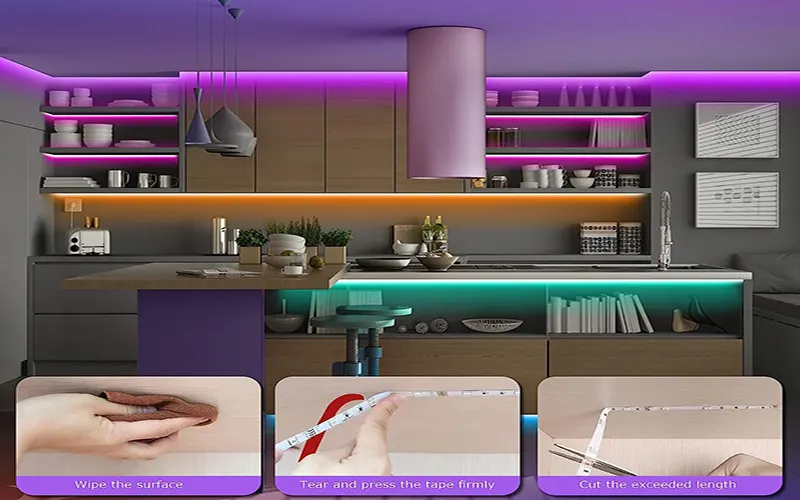
Im Vergleich zu gewöhnlichen RGB-Streifen verfügen RGBW-Streifen über einen zusätzlichen unabhängigen weißen LED-Chip, der einen reineren und helleren weißen Lichteffekt ermöglicht. Außerdem sind sie mit dem DMX512-Protokoll ausgestattet, das eine individuelle Steuerung und Bearbeitung ermöglicht.
Das DMX512-Protokoll kann bis zu 512 Kanäle über ein einziges Datenkabel steuern, wobei jeder Kanal 256 Helligkeitsstufen (0-255) bietet. In einem DMX-RGBW-Streifen. Jedes unabhängige Steuergerät belegt in der Regel vier DMX-Kanäle und steuert jeweils die Helligkeit von Rot, Grün, Blau und Weiß.
Ein typischer Aufbau dieses DMX512 RGBW-LED-Streifens umfasst eine flexible Leiterplatte, hochwertige LED-Chips, einen DMX-Decoder und ein Schutzgehäuse. Professionelle Produkte verwenden in der Regel 5050 oder 2835 LED-Chips. Mit 30 bis 60 LEDs pro Meter bieten sie eine hervorragende Farbkonsistenz und eine lange Lebensdauer.
Warum DMX-RGBW-LED-Leuchtbänder wählen? Drei wesentliche Vorteile
Wir haben uns für DMX-RGBW entschieden, vor allem wegen der besseren Leistung und der präziseren Steuerung bei professionellen Projekten, im Vergleich zu herkömmlicher Beleuchtung oder einfachen adressierbaren LED-Streifen. Dies bedeutet jedoch auch höhere Kosten, die eine sorgfältige Abwägung verschiedener Details erfordern.
| Vorteil Kategorie | Eigenschaften von DMX RGBW | Besondere Vorteile |
| Präzision und Synchronisation der Steuerung | Pixel-unabhängige Steuerung (Adressierung), basierend auf dem DMX512-Protokoll. | Es unterstützt die absolute Synchronisation mehrerer Geräte oder Lichtleisten auf Millisekunden-Ebene und ist damit die ideale Wahl für komplexe Lichteffekte auf Bühnen und architektonischen Medienfassaden. |
| Farbqualität und Effizienz | Unabhängiger W-Kanal (weißes Licht). | Es liefert hochwertiges, reinweißes Licht, das den Anforderungen der Grundbeleuchtung und einem hohen CRI entspricht, und ist im Allgemeinen energieeffizienter als weißes Licht, das aus RGB gemischt wird. |
| Systemstabilität und Zuverlässigkeit | Es verwendet den professionellen DMX-Standard. | Es hat eine große Signalübertragungsreichweite, eine starke Anti-Interferenz-Fähigkeit und weist eine extrem hohe Stabilität und Zuverlässigkeit in großen und komplexen Installationsumgebungen auf. |
Wie funktioniert der DMX512 RGBW LED-Streifen?
Die Grundstruktur eines DMX512 Der RGBW-LED-Streifen ähnelt dem eines Standard-LED-Streifens. Sein Hauptunterschied liegt jedoch in der Integration eines programmierbaren Steuer-ICs (Treiberchip). Dieser Chip ist in der Lage, digitale DMX512-Steuersignale zu empfangen und zu interpretieren und ermöglicht so eine weitaus präzisere und ausgefeiltere Beleuchtungssteuerung.
Durch das DMX-Protokoll können die Benutzer unabhängig die Helligkeit, Farbe einstellen. Und dynamische Effekte jedes einzelnen Segments des LED-Streifens. Daher werden diese Streifen häufig in professionellen Bereichen wie Bühnenbeleuchtung, Architekturbeleuchtung und Landschaftsbeleuchtung eingesetzt. Ihr Arbeitsablauf lässt sich als eine eindeutige Signalübertragungskette zusammenfassen:
Programmierung:
Die Benutzer erstellen Beleuchtungsprogramme auf dem DMX-Controller (oder über eine an den Controller angeschlossene Software). Zum Beispiel könnte ein Benutzer das erste Segment des LED-Streifens so konfigurieren, dass es reines Weiß und das zweite Segment Blau anzeigt. Gleichzeitig programmiert er die Farben so, dass sie von einem Ende des Streifens zum anderen in einem “Wellen”-Effekt fließen.
Signalerzeugung und -übertragung:
Der Controller generiert ein DMX-Datenpaket mit Helligkeitsinformationen für alle Kanäle, die auf der Programmierung des Benutzers basieren. Dieses Datenpaket besteht aus 512 “Werten”, die jeweils von 0 bis 255 reichen und Helligkeitsstufen von aus bis maximal entsprechen. Dieses Datenpaket wird kontinuierlich über die DMX-Signalleitung übertragen.
Datendekodierung (Treiberchip-Signalverarbeitung)
Nach dem Empfang der Daten vom entsprechenden Kanal dekodiert der IC das digitale DMX-Signal und wandelt die Kanalwerte in PWM-Steuersignale (Pulsweitenmodulation) um, um den Strom und die Helligkeit der LED präzise einzustellen.
LED-Ausführung (Farb- und Helligkeitsausgabe)
Das PWM-modulierte Signal steuert den LED-Chip und ermöglicht die Helligkeitssteuerung der vier RGBW-Farben. Durch die Kombination verschiedener Kanalwerte können verschiedene Farben gemischt werden, um dynamische Lichteffekte wie Farbverläufe, Verfolgungseffekte und fließende Wassereffekte zu erzeugen.
Signalfortsetzung (DMX-Kettenstruktur)
Bei vielen DMX-Streifensystemen werden die Daten bis zum nächsten Steuerknoten weitergesendet, wodurch eine Daisy-Chain-Verbindung entsteht. So können mehrere Leisten oder Leuchten innerhalb desselben DMX-Netzwerks einheitlich gesteuert werden.
LED-Streifen-Treiber
Der Decoder wandelt das empfangene digitale Signal (0-255) in ein PWM-Signal mit dem entsprechenden Tastverhältnis um und gibt es an die vier Stifte R, G, B und W des LED-Streifens aus. Durch schnelles Umschalten des Stroms steuert das PWM-Signal präzise den durchschnittlichen Strom, der durch jede Farb-LED fließt. Dadurch wird eine stufenlose Dimmung und Farbmischung von 0% bis 100% erreicht.
Basierend auf dem empfangenen PWM-Signal leuchtet der LED-Streifen auf und zeigt die vom Benutzer voreingestellte Farbe, Helligkeit und dynamische Effekte an.
DMX RGBW vs. reguläre RGB-LED-Leuchtbänder: Wie wähle ich je nach Projekt?
Standard-RGB- und -RGBW-LED-Streifen werden häufig verwendet, aber auch sie haben ihre Grenzen. Die Anforderungen des Projekts sollten der einzige bestimmende Faktor sein, wenn es darum geht, welche Art von LED-Streifen verwendet werden soll.
| Modelle | RGB-Standard RGB/RGBW (nicht-DMX) | DMX-RGBW-LED-Streifen |
| Kontrollmethode | IRIR/RF-Fernbedienung oder Wi-Fi/Bluetooth App, synchronisieren Sie die Änderungen der gesamten oder mehrerer Lichtleisten. | Die professionelle Steuerkonsole ermöglicht die unabhängige Adressierung und Programmierung jedes “Pixels” auf der Lichtleiste. |
| Dynamische Effekte | Einfache Blink-, Überblend- und Sprungeffekte haben nur eine begrenzte Wirkung und sind nicht synchronisiert. | Hochgradig anpassbare Effekte wie komplexe dynamische Muster, Videowiedergabe, fließende Wassereffekte sowie Licht- und Schatteninteraktion. |
| Komplexität der Installation | Einfaches Plug-and-Play, einfach an eine Stromquelle anschließen. | Das Einstellen der DMX-Adresse, das Anschließen des Abschlusswiderstands und das Schreiben des Steuerprogramms ist komplex und erfordert Fachwissen. |
| Kosten | Niedrig | Höher (die Kosten für die Lichtleiste selbst, den Decoder und das Steuersystem sind alle höher). |
| Anwendbare Projekte | Heimdekoration, Schrankbeleuchtung, Hintergrundbeleuchtung von Schlafzimmern und einfache kommerzielle Displays. | Bühnen, Theater, große Gebäudefassaden, Themenparks, Bars/Nachtclubs und andere Orte, die eine präzise Synchronisation und komplexe dynamische Lichteffekte erfordern. |
Wenn Sie einfach nur die Farben wechseln und eine Grundbeleuchtung bereitstellen wollen, sollten Sie sich für Standard-LED-Streifen entscheiden. Wenn Sie jedoch dynamische, programmierbare Lichtkunst schaffen wollen, die eine perfekte Synchronisation erfordert, ist DMX RGBW die einzige Wahl.
Wie installiert und verbindet man DMX RGBW LED Strip Light?
Der Anschluss und die Installation von DMX-RGBW-LED-Streifen ist etwas komplex und sollte am besten mit professioneller Hilfe durchgeführt werden. Wenn Sie ein typisches DMX-RGBW-System installieren, folgen Sie bitte diesen Schritten:
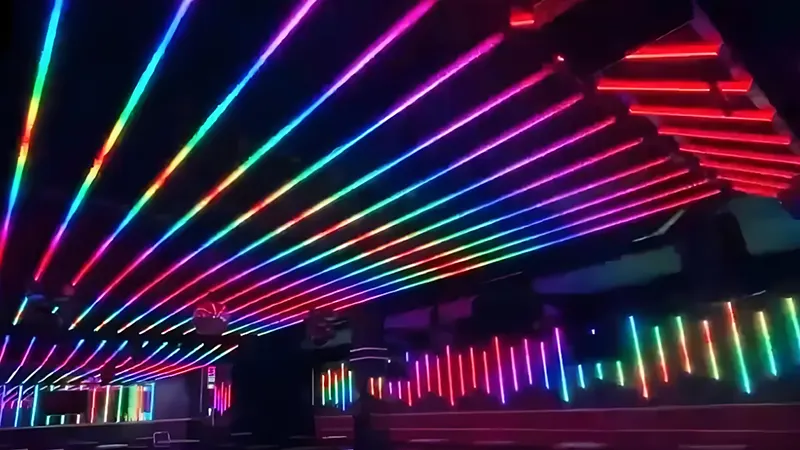
Planung und Entwurf
Bestimmen Sie den Einbauort und die Länge des DMX512-LED-Streifens, berechnen Sie die Gesamtleistung, um ein geeignetes Netzteil auszuwählen. Und planen Sie die Platzierung der DMX-Decoder und die Startadresse der einzelnen Geräte.
Strom anschließen
Schließen Sie die Hauptstromversorgung an die Stromeingangsklemmen des DMX-Decoders an und achten Sie dabei auf die Polarität (positiv und negativ). Stellen Sie sicher, dass die Stromversorgung ausgeschaltet ist.
Anschließen des DMX-Controllers und der Decoder
Verbinden Sie mit einem DMX-Signalkabel den “DMX OUT”-Anschluss der Steuerung mit dem “DMX IN”-Anschluss des ersten Decoders. Wenn das System aus mehreren Decodern besteht, verbinden Sie den “DMX OUT”-Anschluss des ersten Decoders mit dem “DMX IN”-Anschluss des zweiten Decoders und so weiter.
Anschließen der LED-Streifen an die Dekoder
Verbinden Sie die Kabel der LED-Streifen (R, G, B, W, +V) mit den entsprechenden Ausgängen der Decoder. Achten Sie unbedingt darauf, dass diese Verbindungen korrekt hergestellt werden. Andernfalls kann es passieren, dass die LED-Streifen nicht aufleuchten oder falsche Farben anzeigen.
Einstellen von Adress-Codes
In Übereinstimmung mit Ihrem vor der Installation erstellten Plan. Stellen Sie eine eindeutige DMX-Startadresse für jeden Decoder mit den DIP-Schaltern oder der Digitalanzeige auf der Decodereinheit ein.
Einschalten und Testen
Schalten Sie das System ein - zuerst das Netzteil, dann das Steuergerät. Verwenden Sie das Steuergerät oder die mitgelieferte Software, um Testsignale zu übertragen und zu überprüfen, ob jeder Abschnitt des LED-Streifens korrekt reagiert und ob die Farben und Lichteffekte Ihren Erwartungen entsprechen.
Montage und Programmierung
Befestigen Sie die LED-Streifen mit den mitgelieferten Montageclips oder Klebestreifen sicher an den vorgesehenen Stellen. Schließlich programmieren Sie die komplexen Lichtszenen und dynamischen Effekte für die Installation.
Wo können DMX-RGBW-LED-Streifen verwendet werden?
Dank ihrer leistungsstarken Steuerungsmöglichkeiten spielen DMX-RGBW-LED-Streifen eine unverzichtbare Rolle in den folgenden Bereichen - typischerweise in Umgebungen, in denen sowohl funktionale als auch atmosphärische Beleuchtung erforderlich ist:
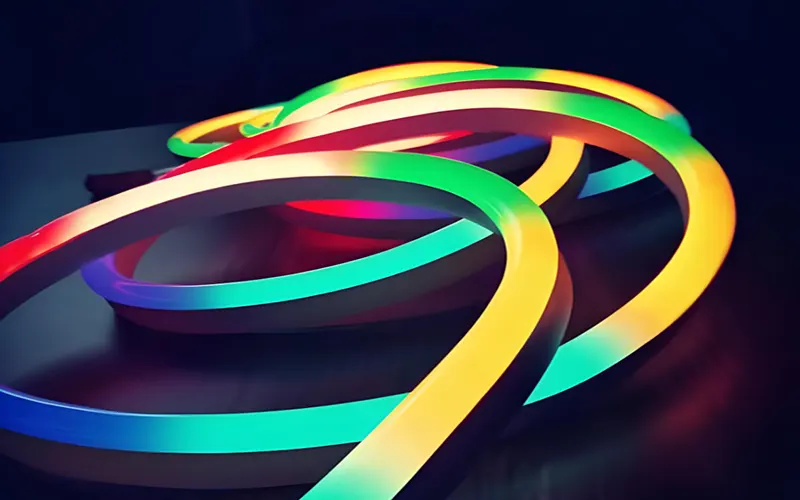
- Architektonische Medienfassaden: Verwandlung des gesamten Äußeren eines Gebäudes in einen riesigen dynamischen Bildschirm, auf dem Videos, Texte oder komplizierte Muster dargestellt werden können.
- Bühnen- und Theaterbeleuchtung: Präzise Steuerung von Farbe und Helligkeit von Bühnenhintergründen und Requisiten, um eine nahtlose Synchronisation mit dem Aufführungsinhalt zu erreichen.
- Themenparks und Unterhaltungseinrichtungen: Schaffung von eindrucksvollen Erlebnissen durch Elemente wie dynamische Beleuchtung und Schatteneffekte auf Fahrgeschäften. Und auch Farbübergänge in szenischen Umgebungen.
- Hochwertige Einzelhandels- und Automobilausstellungsräume: Hervorhebung von Produkten und Verbesserung der Markenattraktivität durch präzise Farbwiedergabe und dynamische Lichteffekte.
- Hochwertige Wohnhäuser und Smart Homes: Integration mit intelligenten zentralen Steuerungssystemen, um mit nur einem Tastendruck zwischen verschiedenen Heimszenenmodi - wie “Empfang”, “Heimkino” oder “Party” - umzuschalten, je nach Anlass.
Schlussfolgerung
DMX-RGBW-LED-Leuchtbänder stellen eine Weiterentwicklung herkömmlicher RGB-Leuchtbänder dar, die digitale Steuerung und naturgetreue Farbwiedergabe nahtlos miteinander verbinden und so grenzenlose kreative Möglichkeiten für das Lichtdesign bieten. Wenn Sie eine LED-Streifenlösung suchen, die professionelle Steuerung mit hoher Leistung kombiniert, DMX-RGBW-Neonstreifen sind die ideale Wahl.
FAQs
Ja. DMX-RGBW-LED-Streifen müssen mit einem Controller gekoppelt werden, der das DMX512-Protokoll unterstützt, um korrekt zu funktionieren.
Standard-RGB-LED-Streifen ermöglichen in der Regel nur einheitliche Farbänderungen über den gesamten Streifen, während DMX-RGBW-LED-Streifen eine Steuerung auf Pixelebene unterstützen. Dadurch kann jede einzelne LED-Perle eine andere Farbe und Helligkeit anzeigen, was die Schaffung dynamischer Szenen und Verlaufseffekte bei Bühnen-, Architektur- und Unterhaltungsbeleuchtungsanwendungen ermöglicht.
Ja, dies wird unterstützt. DMX-RGBW-LED-Streifen entsprechen dem Standard-DMX512-Signalprotokoll; sofern die Signalkanäle richtig konfiguriert sind, können sie mit anderen DMX-Geräten innerhalb desselben Steuerungssystems synchronisiert und gesteuert werden.
Ja, das können Sie. Solange Sie eine DMX512-kompatible Software oder ein Steuerungssystem (wie Madrix, LightJams oder Lightkey) verwenden und über eine DMX-Schnittstelle anschließen, können Sie Ihre eigenen Lichtszenen programmieren und individuelle Lichteffekte erzielen.
Es wird dringend empfohlen, abgeschirmte, paarweise verdrillte Kabel zu verwenden, die dem DMX512-Standard entsprechen (z. B. spezielle DMX-Datenkabel mit 3-poligen oder 5-poligen XLR-Steckern), und keine normalen Audio- oder Netzwerkkabel. Außerdem sind optional wasserdichte DMX-Stecker erhältlich, um schnelle Verbindungen zu ermöglichen.