
Modern LED neon lights, with their unique lighting effects and vibrant colors, are widely used in billboards, shop signs, interior decoration, and architectural outline lighting. However, many people have concerns when choosing them: Do LED neon lights pose a fire hazard?
In fact, the safety of modern LED neon lights is closely related to their structure, power supply method, and operating environment. Many people still base their understanding on traditional glass neon lights, but there are fundamental differences in safety performance between traditional glass neon lights and modern LED neon light strips. More details, pls note Can LED Strip Lights Cause a Fire?
What are the Potential Risks of Traditional Glass Neon Lights?
Traditional glass neon lights do pose a fire hazard. They work by filling a sealed glass tube with an inert gas (such as neon) and applying a high voltage of 6,000 to 15,000 volts to electrodes at both ends, causing the gas to ionize and emit light.
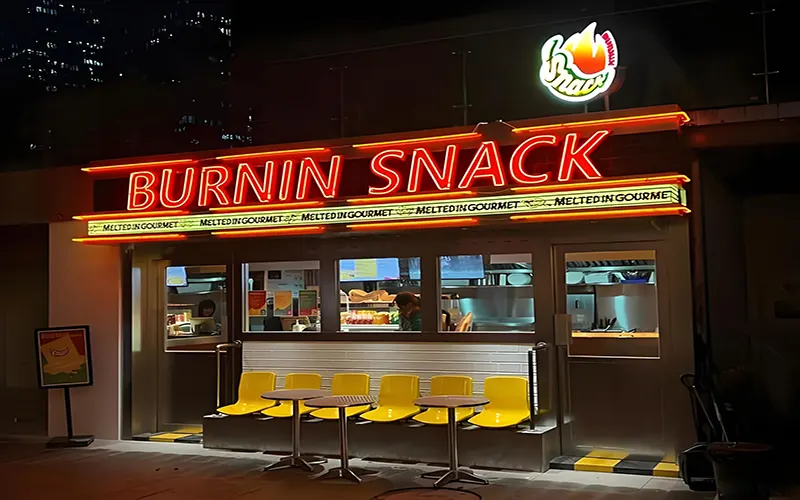
This high-voltage operation is the core source of risk. The high-voltage transformer generates a significant amount of heat during operation, and poor heat dissipation or aging can easily lead to overheating or even fire.
Furthermore, the surface temperature of the lamp tube can reach over 100°C, and contact with flammable materials such as curtains, paper, or wood can easily ignite them.
In addition, the glass material itself is fragile. If it breaks, it not only exposes the high-voltage electrodes, creating a risk of electric shock, but also increases the risk of fire due to arcing. These inherent defects mean that traditional neon lights have significant shortcomings in terms of safety performance.
What Situations are Most Likely to Cause Neon Lights Fire Hazard?
Fires caused by neon lights are usually related to improper installation, use, or maintenance. Therefore, regular maintenance and inspection are necessary to ensure the normal operation of the neon tubes.
- Power supply mismatch: Using a non-standard high-voltage transformer leads to excessive current and overheating.
- Aging or short-circuited wiring: The insulation layer of the wires degrades after prolonged use, causing arc discharge.
- Poor heat dissipation: The light fixture is too close to the wall, leading to heat accumulation and temperature rise.
- Proximity to flammable materials: Such as paper billboards, fabric curtains, wooden decorative panels, etc.
- Waterproof installation: Generally, IP67 neon tubes are only suitable for outdoor use, but not for underwater applications. Water seepage can cause short circuits or electric shock accidents.
Why are LED Neon Light Strips Safer?
Compared to traditional neon lights, LED neon light strips offer significant advantages in terms of safety. Firstly, they use low-voltage power supply, typically only 12V or 24V DC, which is far lower than the high voltage required by traditional neon lights, fundamentally reducing the risk of electric shock and fire. More information, pls check Are LED Strip Lights Safe to Use?
Secondly, LED technology is a cold light source, generating very little heat during operation. The surface temperature usually does not exceed 50℃, preventing ignition of surrounding flammable materials.
Furthermore, LED neon light strips use flexible silicone encapsulation, making them not only waterproof and dustproof but also highly impact-resistant, unlike fragile glass. These characteristics make LED neon light strips a safer lighting option.
Proper Installation and Use Reduce the Risk of Neon Lights Fire Hazard
Whether it’s traditional neon lights or LED neon lights, correct installation and use are crucial for ensuring safety.
During installation, ensure that dedicated mounting fixtures are used, avoiding simple suspension or temporary connections. Power lines should use cables that meet specifications and be equipped with independent residual current devices (RCDs).
For traditional neon lights, the transformer must be installed in a well-ventilated location with sufficient space for heat dissipation. Regular maintenance is also extremely important; a comprehensive inspection is recommended every six months, including cleaning dust, checking for aging wiring, and testing protective devices.
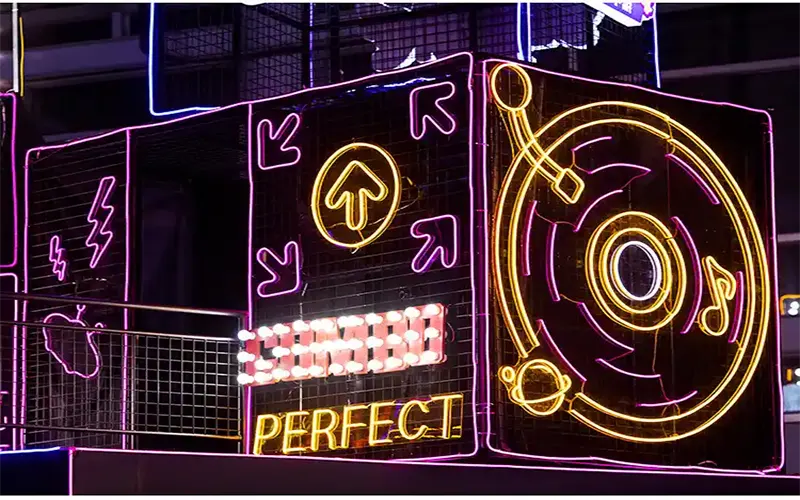
Safety Comparison Between LED Neon Lights and Traditional Neon Lights
Lighting safety is a concern for everyone. Let’s take a detailed look at the safety comparison between LED neon lights and traditional neon lights.
| Comparison | Traditional glass neon lights | LED neon light strips |
| Power supply voltage | 6,000-15,000 V (high voltage) | 12V/24V (safe low voltage) |
| Surface temperature | 80-120°C | 40-50°C |
| Material characteristics | Glass material, fragile, risk of shattering. | Silicone material, flexible, drop-resistant. |
| Power Consumption and Heat Generation | High power consumption, high heat generation | Low power consumption, very little heat generation |
| Waterproof rating | Typically low, relies on external protection | IP65/IP67 standard, built-in waterproofing |
| Fire risk | Medium to high, requiring strict management | Very low, inherently safe |
When Should You Consider Switching to LED Neon Strip Lights?
If you are still using traditional glass neon lights, it is recommended that you switch to LED neon strip lights as soon as possible under the following circumstances:
- The equipment has been in use for more than 5 years, resulting in high maintenance costs and the risk of aging;
- The lights are installed in locations with high safety requirements, such as homes, children’s rooms, and pet areas;
- Abnormal phenomena such as frequent flickering, transformer overheating, or unusual odors occur;
- You want to reduce electricity bills and minimize maintenance;
- You require more flexible control and smart control functions.
Conclusion
The answer to the question “Do neon lights pose a fire hazard?” depends on the type of neon lighting and installation method used. Traditional high-voltage glass neon lights do indeed present a potential fire hazard, but modern LED neon strips, through low-voltage operation, flame-retardant materials, and efficient heat dissipation design, have virtually eliminated fire hazards.
If you want to create safe and bright decorative lighting for your business, home, or landscape, consider upgrading to LED neon strips. Visit NEONLEDSTRIP to explore our high-quality LED neon lighting solutions, where beauty and safety go hand in hand.
FAQs
Yes. LED neon lights have low power consumption and generate little heat, so they won’t overheat or burn out even if left on for extended periods. However, it’s recommended to use a power supply with a timer function or a smart control system to extend the lifespan of the lights.
LED neon light strips themselves have a very low risk of fire, but overheating can still occur if a low-quality power supply is used or if they are installed in a confined or high-temperature environment. We recommend ensuring adequate ventilation to guarantee safe long-term operation.
For outdoor environments, use IP65 or higher rated waterproof LED neon light strips, and equip them with waterproof connectors and sealed power supply boxes. It is crucial to ensure that all connections are waterproof, as water ingress can cause short circuits.