
When choosing and purchasing LED light strips, most people only focus on details such as brightness, color temperature, or wattage. However, there is another important indicator that affects the overall lighting effect and is often overlooked—SDCM (Standard Deviation of Color Matching). It is an important parameter for measuring the color consistency of LED lights. Directly affecting the visual effect and professionalism of the light strip. Before making a selection, we need to fully understand what SDCM is in LED strip lights, how it affects lighting quality. And how to choose high-quality LED light strips with low SDCM.
What is SDCM in LED Strip Lights?
SDCM (Standard Deviation of Color Matching) is an indicator used to describe the color consistency (color deviation) between different light sources. Often represented by “MacAdam ellipses” or “MacAdam steps.”
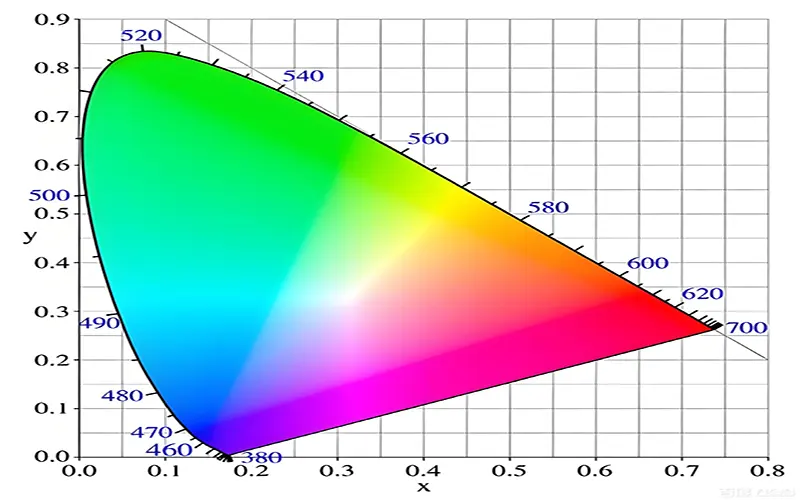
On a human visual chromaticity diagram (such as the CIE 1931 xy or CIE 1976 u′v′ chromaticity diagram), given a point (i.e., the target color or target color temperature). There exists a set of elliptical regions around it. These ellipses represent the varying sensitivities to visual perception of color changes in that direction. Therefore, the ellipses are elongated rather than circular.
The range of a MacAdam ellipse represents the color change that the human eye can “almost not distinguish” in that direction. Dividing the “tolerable color change” into several steps according to the size of the ellipse yields the MacAdam steps. Which are the units of SDCM.
Therefore, the smaller the SDCM value, the better the color consistency; the larger the value, the easier it is for the human eye to perceive color differences.
How Does SDCM Affect the Color Consistency of LED Strip Lights?
SDCM has a direct and decisive impact on the color consistency of LED light strips. It’s essentially a direct standard for color temperature.
- Uniformity of a single light strip: Even on the same light strip, if the SDCM value is too high. A visible gradient or difference in light color may appear between the beginning and end sections, ruining the purity of the light.
- Matching between multiple light strips: This is the most significant impact. In the same space (such as under a long cabinet or on the ceiling of a large showroom), if multiple light strips are used together, a high SDCM value will cause adjacent light strips to appear bluish and reddish, creating an unsightly “color band” or “color block” effect.
- Conformity with design drawings: The light color in the designer’s renderings is unique. If the SDCM value of the light strip used is too high. The final actual light color may deviate from the original design, resulting in a loss of project effect.
Low SDCM means perfect visual unity and professional lighting effects. High SDCM leads to a chaotic environmental atmosphere and affects the true representation of object colors. Therefore, it is still necessary to choose LED light strips with low SDCM.
SDCM Level Explained: What Do 3-Step, 5-Step, and 7-Step Levels Mean?
SDCM levels are typically divided into 3-step, 5-step, and 7-step levels, representing different ranges of color difference tolerance. When looking at color temperature levels, you’ll often see SDCM 3-step and 5-step levels. So what do they actually mean?
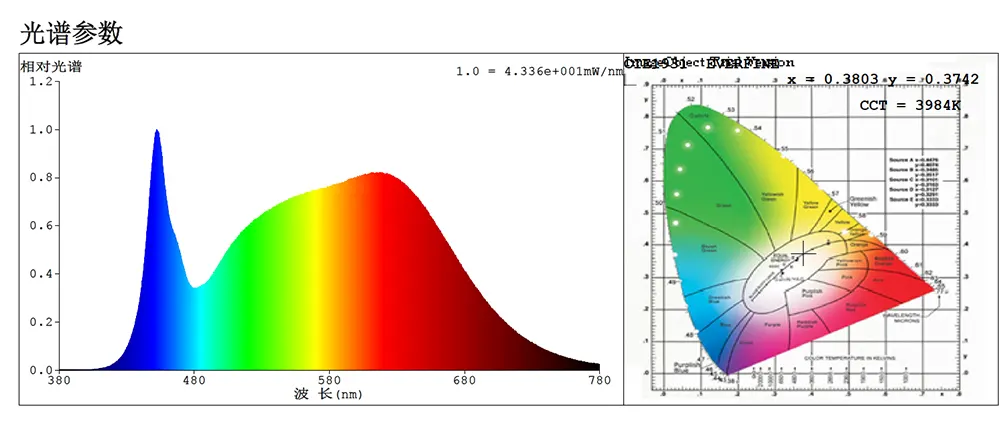
3-step SDCM: This is a high-precision level, with almost perfect color consistency and very low color tolerance. It is commonly used in hotels, high-end residences, museums, and other occasions with strict lighting requirements.
5-step SDCM: This is more common in general commercial lighting or residential light strips, offering a high cost-performance ratio. Unless there are special requirements, most LED light strip manufacturers offer 5 levels of SDCM.
7-step SDCM: Color difference is more noticeable, suitable for outdoor or decorative lighting where visual consistency requirements are not high. We don’t recommend this for mid- to high-end projects.
In short, we can understand that the fewer the SDCM steps, the higher the manufacturing precision and consistency requirements of the lighting fixture.
Why Should You Pay Attention to the Color Consistency of LED Strip Lights?
Paying attention to the color consistency of LED light strips is essentially about focusing on the final “visual quality” and “project success or failure.” Even with high brightness and a good color rendering index, if the colors of different light strips are inconsistent, the overall effect will still be severely diminished. Once a color consistency problem occurs, it is almost impossible to remedy it later.
Inconsistent colors in different areas of the same space indicate a quality issue
Inconsistent colors in different areas of the same space indicate a quality issue. This might not be obvious in photos, but it will be very noticeable when people move around the space, creating the appearance of cheap products pieced together from different batches.
Color discrepancies can cause emotional discomfort
When different shades of white light repeatedly appear within the same field of vision, our vision is disturbed. Prolonged use leads to fatigue and irritability; color consistency directly affects “comfort in prolonged viewing.”
Rework is extremely costly
If an installed LED strip shows a significant color difference, it needs to be removed and replaced. Re-removing and replacing LEDs is very costly in terms of procurement and installation, so it’s crucial to choose LED strips with consistent color temperature.
SDCM is the moat of LED strip lights
Many customers don’t fully understand what SDCM is, but they can directly perceive which brand’s LED light strips look more comfortable. SDCM doesn’t affect parameters, but rather “brand image.”
How to Achieve Low SDCM LED Strip Lights?
Achieving low SDCM (e.g., within 3 steps) is a significant challenge for lighting users and tests the technical and quality control capabilities of LED manufacturers. This primarily relies on color binning technology:
LED Chip Sorting: After chip manufacturing, precise testing equipment is used to meticulously group the chips according to their emission color coordinates. Each group (i.e., one bin) corresponds to a very small SDCM range.
Strict Binning Range Control: High-end manufacturers use only bins within the 1-3 step range and dedicate these chips to high-quality LED strips. General products may use bins with 5 steps or even a wider range.
Production Consistency Calibration: During LED strip assembly, manufacturers conduct rigorous online color calibration and testing to ensure that different batches of strips fall precisely within the target SDCM range upon leaving the factory.
Therefore, choosing brands with advanced binning technology and a willingness to use only the narrowest possible bin size is key to obtaining low SDCM products.
What Other Factors Affect the Color of LED Strip Lights?
Besides SDCM (Spectroradiometer Difference of Color Temperature), other factors can influence the color temperature consistency of LED strip lights.
- Color Temperature (CCT) Deviation: Inaccurate color temperature control can lead to a visual effect that is either too warm or too cool.
- Color Rendering Index (CRI): Color temperature and CRI are closely related; the higher the CRI, the more realistic the color reproduction of objects.
- Voltage Fluctuations: Unstable power supplies can cause slight color shifts.
- Optical Diffusing Materials: The material of the lampshade or diffuser plate can also affect the final luminous effect.
How to Choose the Right LED Strip Lights Based on SDCM Rating?
When purchasing LED light strips, you need to confirm the color temperature gradations with the supplier.
- High-end Professional/Display Lighting: Target ≤ 3 SDCM, for museums, top-tier retail, or film production lighting.
- High-Quality Commercial/Residential Lighting: Target ≤ 5 SDCM, for offices, upscale homes, or hotels. This is the most common application.
- General Functional Lighting: Target ≤ 7 SDCM, for warehouses, basements, or areas with lower color accuracy requirements.
When purchasing, always request detailed specifications or test reports from suppliers, clearly indicating the SDCM steps, CCT, and CRI values. Additionally, try to purchase all required light strips and matching fixtures in the same batch to minimize batch-to-batch color variations.
Conclusion
SDCM (Simplified Color Compatibility) of LED strip lights is not just a technical parameter, but also a guarantee of consistent lighting quality and visual experience. Lower SDCM means higher manufacturing precision, more stable color performance, and more professional lighting effects.
If you are looking for LED strip lights with consistent color and stable performance, please make “SDCM ≤3 or ≤5 steps” a core requirement! Click to contact us now to obtain our high-quality, low SDCM certified LED light strip product catalog, ensuring professional color consistency illuminates every detail of your designs.
FAQs
Yes, a lower SDCM indicates higher color consistency and better quality for the LED strip. For example, a product with 3-5 SDCM will definitely have more uniform color than one with 7 SDCM.
You need to confirm with the supplier before purchasing. The SDCM rating is usually not printed directly on the product packaging. You need to check the product’s datasheet or product test report.
This phenomenon is relatively rare, but it is possible. It’s called color shift. It’s usually caused by aging or decay of the LED chip or packaging materials (such as phosphor) during long-term operation, especially at high temperatures. High-quality, low SDCM products typically use more stable materials and better heat dissipation designs, which more effectively resist color shift.
Yes, it will. With prolonged use, the phosphor in the LED chip ages or the luminous flux decreases, which may cause slight changes in light color. Therefore, reputable manufacturers choose anti-attenuation materials during the design phase and ensure that the SDCM change remains within a reasonable range after long-term operation.
You can visit NEONLEDSTRIP. We offer a series of LED light strips that have undergone rigorous spectrophotometry testing and have an SDCM ≤ 3, ensuring consistent light color and uniform brightness for every meter of strip, meeting the needs of high-end lighting projects.