
In outdoor lighting, architectural decoration, or pool lighting projects, waterproofing is paramount, as its quality often determines the project’s lifespan and safety. Neon strips, in particular, frequently need to withstand rain, humidity, and high temperatures. In these situations, IP68 flexible neon strip lights become the ideal choice for many projects. They combine flexibility and high brightness while maintaining stable operation in extreme environments.
This article will guide you through the meaning of the IP68 waterproof rating, key waterproofing techniques during installation, and how to choose truly high-quality IP68 flexible neon strip lights. More information, pls read How to Waterproof LED Neon Strip Lights for Outdoor Use?
What are the Waterproof Standards of IP68 Flexible Neon Lights Strip?
The IP (Ingress Protection) rating system consists of two numbers: the first number represents the dustproof rating (maximum 6), and the second number represents the waterproof rating (maximum 8). Pls see What Does IP68 Waterproof Mean?
- “6” means: It represents the highest dustproof rating, completely preventing dust from entering the light strip.
- “8” means the highest waterproof rating, meaning the device can be continuously immersed in water at a specified pressure (usually specified by the manufacturer for depth and time, but not less than 1 meter for at least 30 minutes) and still operate normally.
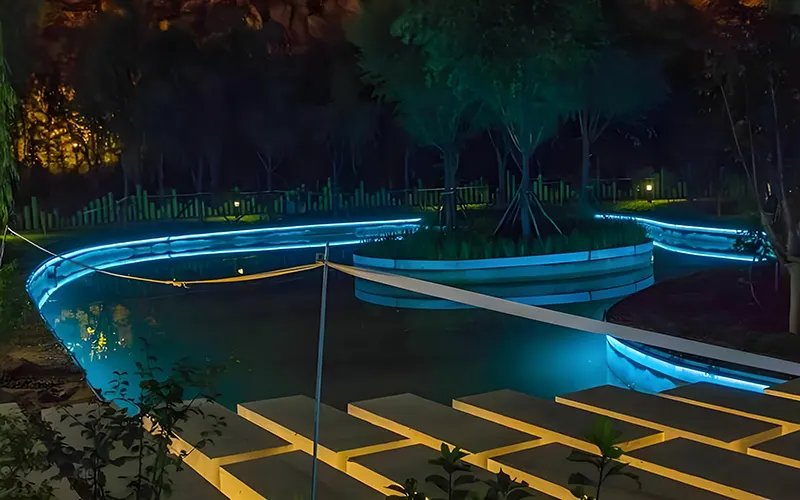
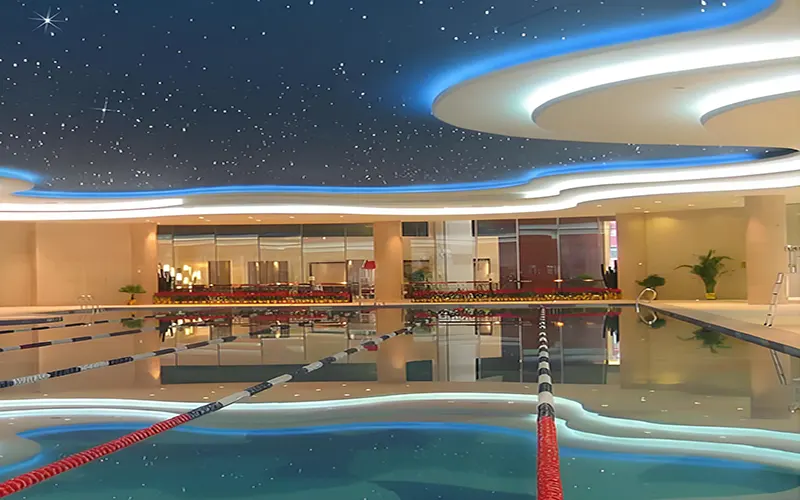
Our IP68 flexible neon light strips typically use high-quality silicone and an integrated extrusion molding technology to completely encapsulate the LED chip and circuit board within a sealed flexible protective layer, eliminating the possibility of moisture intrusion at the source. Besides underwater use, it can also be used for swimming pool lighting.
Four Key Waterproofing Techniques for IP68 Neon Strip Installation
Proper installation is the most crucial practical step in achieving an IP68 protection rating. Neglecting any step can lead to failure. Therefore, special attention must be paid during installation.
Waterproof Connector Treatment
Connections represent the weakest link in the entire circuit and are, therefore, the absolute priority for waterproofing. These junctions are the most susceptible to water ingress; if water penetrates them, there is a significant risk of burnout.
- Dedicated Waterproof Connectors: Use the manufacturer’s original waterproof connectors, which provide dual protection through a physical latching mechanism and a silicone sealing ring.
- Secondary Sealing:Even after using the waterproof connectors, it is recommended to apply a uniform layer of neutral silicone sealant to the interfaces at both ends to create a complete “watertight compartment.”
- Welding Requires Absolute Sealing:If welding is unavoidable, you must use waterproof heat-shrink tubing containing hot-melt adhesive. Upon heating, the adhesive melts and fills all gaps, achieving an optimal sealing effect.
End Sealing
If the ends of the light strip are not properly treated, they act like an open gateway, allowing moisture to penetrate unimpeded. It is essential to use the specific PVC end caps designed for use with the light strip.
Before snapping the end cap into place, inject an appropriate amount of electronic sealant or silicone adhesive into it. Ensure that the interior of the cap is filled, thereby fully isolating the end of the light strip from both air and moisture.
Power Cord and Controller Protection
The power supply and control system are the core of the entire lighting system. Water ingress will directly cause short circuits or damage, rendering all protection measures meaningless.
- Waterproof Junction Box: Power adapters, signal amplifiers, and all cable connectors must be housed in waterproof junction boxes with a rating of at least IP65.
- Location Selection: Junction boxes should be installed at a high or dry location, avoiding placement on the ground or in areas prone to water accumulation. Cable entry points should use waterproof lock heads or sealing rings.
Waterproofing Design
Utilizing natural principles to aid waterproofing is the most ingenious technique. Avoid becoming a “water bag”: During installation, the front of the light strip should be slightly tilted downwards (approximately 5-10 degrees), or ensure the sides are installed vertically.
This angle ensures that even if a small amount of water penetrates the outermost silicone layer, it will flow away under gravity instead of accumulating inside the light strip, thus preventing internal damage caused by “bubbling.”
Important Details to Note
Corners: Severe bending is strictly prohibited! You must strictly adhere to the minimum bending radius specified in the product manual. Excessive bending can stretch or even tear the internal waterproofing layer and circuitry, allowing moisture to seep in at these points.
Cutting: For IP68-rated neon tubes, we do not recommend cutting them yourself. It is best to order custom-cut lengths; improper sealing after cutting compromises the structural integrity of the waterproof unit, thereby voiding the IP68 protection for the entire light strip segment.
Mounting: We recommend using specialized snap-in mounting clips. These provide a secure hold without puncturing the light fixture body. Avoid using screws to fasten the fixture directly, and refrain from overtightening cable ties, as both practices can inflict physical damage upon the waterproof housing.
How to Choose a High-Quality IP68 Flexible Neon Strip Lights?
There are many types of IP68 flexible neon strip lights on the market, but their quality varies greatly. Choosing a reliable product is essential to ensure long-lasting waterproof performance. Our IP68 neon strips are highly reliable and come with a 3-year warranty.
- Check Waterproof Certifications: High-quality products will pass the IP68 test and provide a certification report. It’s best to get a sample for testing first.
- Encapsulation Material: Fully encapsulated silicone strips offer better waterproofing than those with only potting compound. Silicone has better aging resistance and flexibility.
- Brand and After-Sales Service: Choose experienced brands, such as manufacturers that offer custom lengths, waterproof connectors, and technical support.
- Accessory Compatibility: Use original waterproof power supplies, controllers, and connectors to avoid compatibility issues affecting the seal.
- Product Testing: Before purchasing, you can view the manufacturer’s immersion test videos or case studies. If possible, you can test the stability of the strip by lighting it underwater for several hours.
Conclusion
IP68 flexible neon strip lights offer exceptional waterproof performance, and their success hinges on meticulous installation. Every carefully crafted joint and every properly sealed end provides long-term protection for your lighting project.
If you are looking for high-quality IP68 flexible neon strip lights, don’t hesitate to get in touch with our sales staff to obtain IP68 flexible neon light strip certificates and product specifications.
FAQs
Yes, they can be completely submerged in water. This is a core characteristic of the IP68 rating. They are capable of continuous submersion at depths of 1 to 3 meters without any degradation in performance.
Yes, but you need to choose a high-quality silicone IP68 flexible neon light strip. Our IP68 neon strips are suitable for long-term use in swimming pools.
No, the power supply cannot be installed underwater. The driver and controller are heat-generating electronic components that require professional waterproofing and heat dissipation protection. Only the IP68 flexible neon strip itself can be submerged underwater.
You can check if the manufacturer provides an IP68 waterproof certification report. Additionally, from an appearance perspective, genuine IP68 light strips are usually fully encased in silicone material, with no exposed solder joints or interfaces.
High-quality IP68 neon strips generally operate stably in a temperature range of -20°C to 60°C. The silicone shell has good flexibility and high-temperature resistance, maintaining its waterproof performance even in extremely cold or hot environments.